


Materials & Shading
This section showcases a series of materials I created in Unreal, focusing on different functions, flexible controls, and performance-friendly workflows that support both visual quality and real-time efficiency.
Base Color
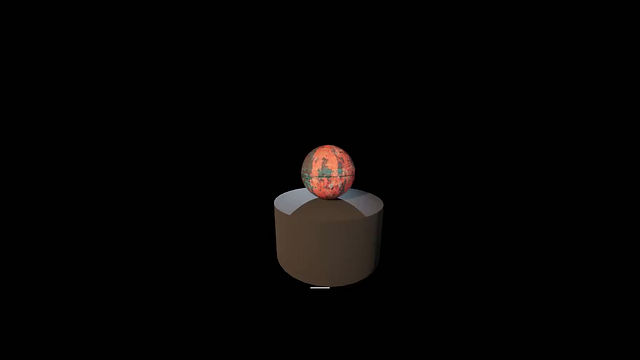

The base color material provides a flexible framework for quickly authoring surface variations. It supports tint control, contrast adjustment, and optional mask blending.
Color Blending

This material uses vertex color to blend between textures, allowing smooth transitions when painting terrain or mixing different surface types.
Caustic Decal


The decal material projects animated caustic patterns across any surface using triplanar mapping. It produces seamless results on complex geometry and maintains consistent lighting.
Terrain


This material combines several blending techniques to create smooth transitions across terrain and stylized surfaces. It allows the surface color, brightness, and roughness to adapt dynamically based on elevation, world alignment, and view angle, making it ideal for natural environments.
Distance Fade

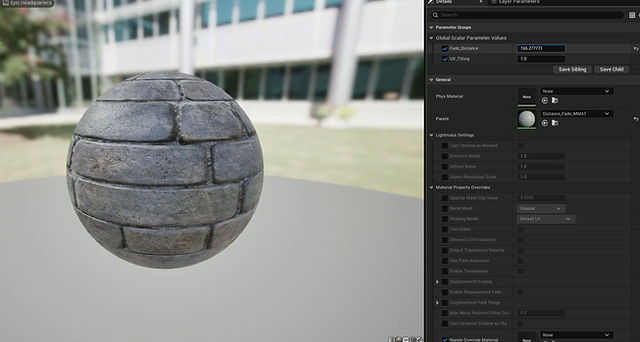
The distance-fade material blends textures according to the distance from the camera. It helps improve visual clarity and offers an efficient way to optimize distant surfaces without affecting close detail.
Virtual Texture

This material uses Unreal’s Runtime Virtual Texture system to efficiently blend surface data across terrain and meshes, reducing shader cost while maintaining consistent and high-quality shading.
Water


This stylized water material features dynamic waves and foam generated upon collision. It has fully adjustable foam behavior, including size, speed, and intensity, along with customizable water and foam colors.
Grass


This grass material features adjustable color, translucency, and normal strength to create softer and more layered foliage.
It also uses custom wind parameters and vertex-color masking to drive a highly controllable wind animation.